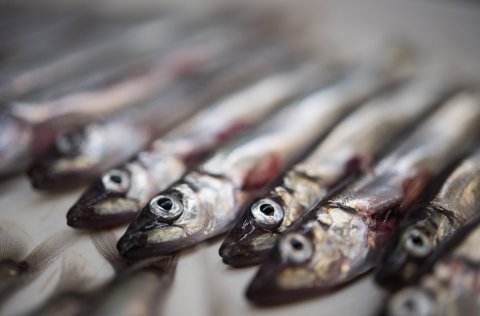
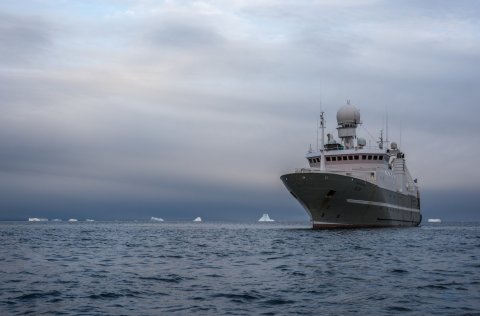
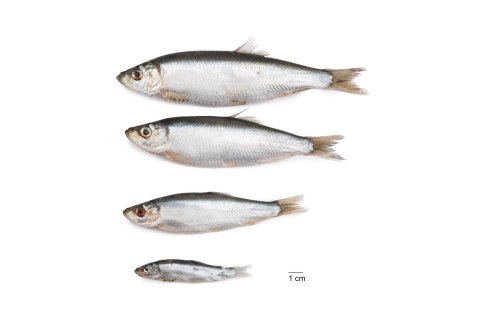
Two new studies by scientists at the Marine and Freshwater Research Institute provide new insight into the diet and feeding activity of capelin.
20. October
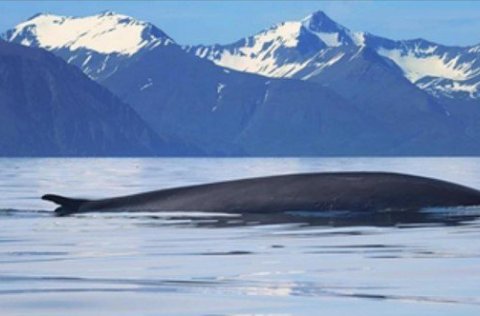
Ecological competition between fin whales, blue whales and their hybrids.
Hybridization among cetaceans has been documented across multiple species, but the question on the ecological position of hybrids has not been answered yet. Within the Balaenopteridae family, most documented cases involve blue and fin whales, raising concerns about impacts on species recovery, particularly that of the highly endangered blue whale.
20. October
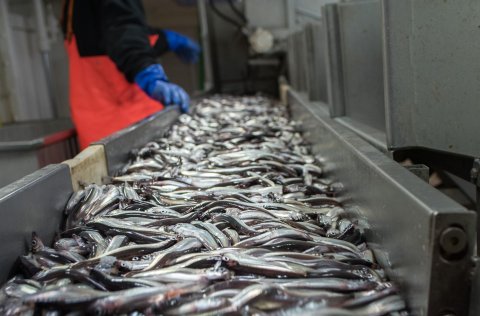
Capelin survey estimates and advice below expectations
Updated catch advice from the Marine and Freshwater Research Institute (MFRI) and the Greenland Institute of Natural Resources (GINR) for the upcoming capelin fishing season is just over 105 thousand tonnes. The advice is based on the results of acoustic surveys on the capelin stock conducted last September, which proved to be significantly below expectations.
12. October
Catch Advice for Pelagic Fish Stocks in the Northeast Atlantic
The International Council for the Exploration of the Sea (ICES) is today, September 30, issuing advice on fishing opportunities for Norwegian spring-spawning herring, Atlantic mackerel, and blue whiting for the year 2027.
30. September
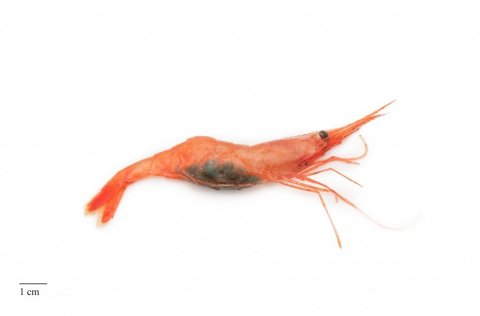
Stock assessment and advice for northern shrimp in Arnarfjörður and Ísafjarðardjúp
In accordance with the MSY approach, the Marine and Freshwater Research Institute advises that the shrimp catch in Arnarfjörður in the 2026/2027 fishing year should not exceed 248 tonnes, and that shrimp fishing should not be permitted in Ísafjarðardjúp.
28. September
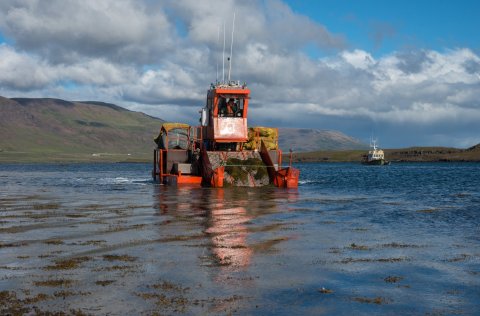
Study on Knotted Wrack Recovery in Breiðafjordur
A recent study by scientists at MFRI examined the recovery of knotted wrack (Ascophyllum nodosum) following harvesting in Breiðafjörður Bay, western Iceland. Knotted wrack has been harvested in the area for around 50 years, primarily using mechanical cutting barges.
09. September
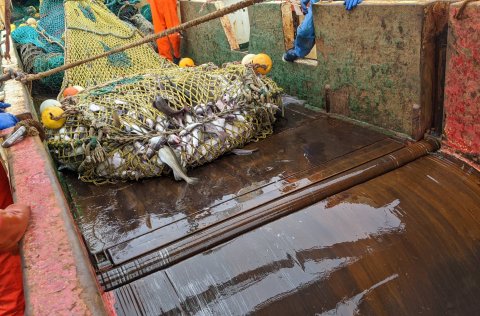
Mapping Knowledge for Bottom Fishing and Sustainability
A new synthesis in the journal Fish and Fisheries brings together thirty obstacles that stand in the way of measuring and improving the sustainability of bottom fisheries, together with the same number of recommendations for addressing them. Haraldur A. Einarsson, fishing gear specialist at the Marine and Freshwater Research Institute, is one of 29 authors.
07. September
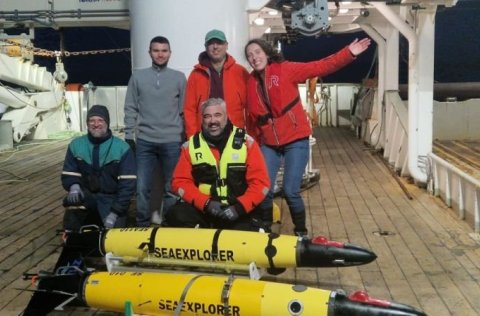
Researching eddies in the East Greenland Current
As the E(ddies)GC survey aboard RV Þórunn Þórðardóttir draws to a close, the international team of researchers is completing several weeks of intensive fieldwork off East Greenland.
04. September
Start of the autumn capelin survey
The 2026 capelin autumn survey will be conducted from 23 August to 24 September. The survey aims to estimate the abundance of both immature and mature capelin in the Iceland-East Greenland-Jan Mayen area (IEGJM). A similar survey has been conducted since 1978.
28. August
The origin of sprat in Iceland
Earlier this year, the article "Where are you from? Finding the origin of the recently observed sprat in Iceland using a panel of SNPs" was published.