- EU projects
- Research
- Fish tagging
- Lumpfish research
- Oceanography
- Seabed mapping
- Arnarfjörður
- Drekasvæði
- Ísafjarðardjúp
- Jökulbanki
- Jökuldjúp
- Kolbeinseyjarhryggur and adjacent area
- Kolluáll
- Langanesgrunn
- Látragrunn
- Nesdjúp
- Reykjaneshryggur and adjacent area
- Selvogsbanki
- South of Selvogsbanki
- South of Skeiðarárdjúp
- South of Skerjadjúp
- Southeast of Lónsdjúp
- Southwest of Jökuldjúp
- Suðausturmið
- Suðurdjúp
- Vesturdjúp
- East of Reykjaneshryggur
- Vestfjardarmid
- Seal research
- Whale Research
- Advice
- About

Mapping Knowledge for Bottom Fishing and Sustainability
07. September 2026
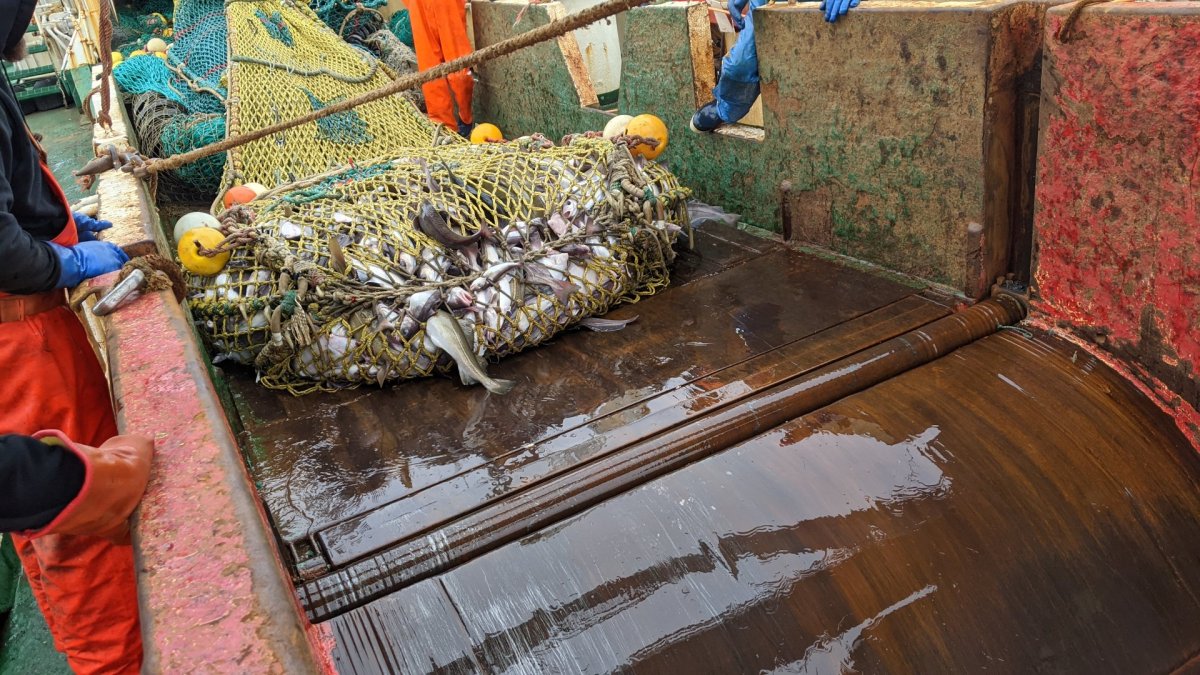
A new synthesis in the journal Fish and Fisheries brings together thirty obstacles that stand in the way of measuring and improving the sustainability of bottom fisheries, together with the same number of recommendations for addressing them. Haraldur A. Einarsson, fishing gear specialist at the Marine and Freshwater Research Institute, is one of 29 authors.
Fisheries using towed bottom gear, mainly bottom trawls, produce around 24 million tonnes of seafood a year and, in many parts of the world, are the only practical way to harvest demersal stocks such as cod, haddock and redfish. They are also among the most contested fishing methods in use, and in a number of jurisdictions there is pressure to restrict or ban them.
Rather than taking a position for or against, the new article asks a different question. What information do we lack in order to assess the impacts in any meaningful way, and what would it take to obtain it? The article is open access and can be read here.
It is easy to be for or against bottom trawl and make a persuasive case either way. It is harder to say how much a particular gear disturbs a particular seabed, and how long that disturbance lasts. This article addresses that question and how we might set about answering it.
Thirty gaps
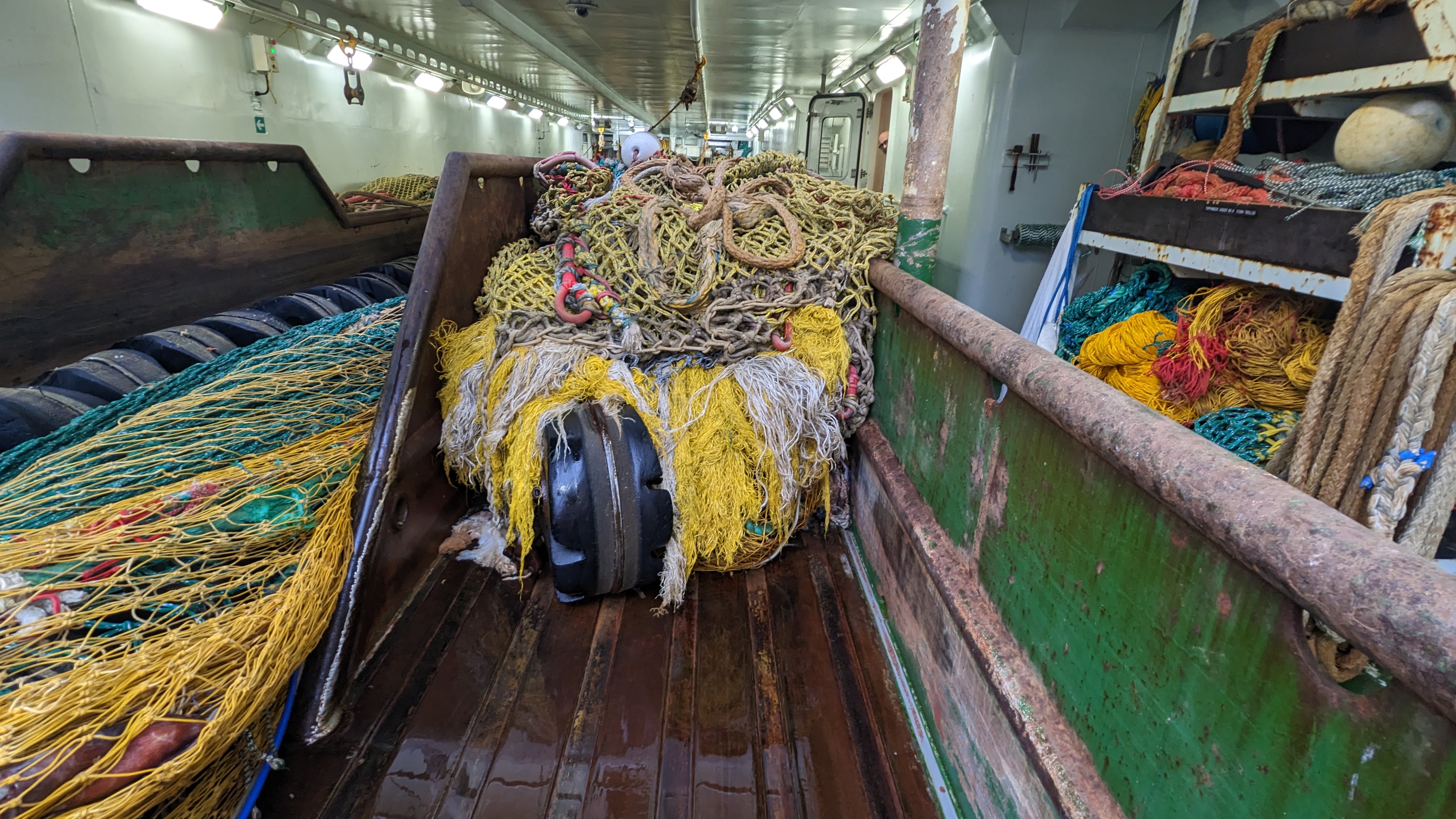 The article is the outcome of a workshop hosted by the University of Washington alongside the World Fisheries Congress in Seattle in March 2024. Thirty-two experts took part, drawn from the fishing industry, management agencies, ocean conservation organizations and research institutes in nine countries and territories, Iceland among them. The group identified thirty obstacles across six areas and put forward 28 recommendations.
The largest of the six concerns disturbance of the seabed. In most places there are no maps of substrate types and benthic communities, no measurements of how much individual gears actually contact the bottom, and little knowledge of how quickly different habitats recover afterward. Without these basic data, it is simply not possible to work out what a given fishery costs the ecosystem, whether the aim is to justify it or to restrict it.
The remaining areas concern bycatch and discards, the design of management systems, fishing operations and practices, conflicts with other uses of the sea such as offshore wind and submarine cables, and finally communication with the public.
Iceland is in a strong position, but not a complete one
 Iceland compares well on much of what the article raises. Catches are recorded by species, vessel position and effort are logged, and data from fishing vessels flow continuously into the systems that underpin stock assessment and advice. This is precisely the vessel-based data collection that the international group identifies as a priority elsewhere.
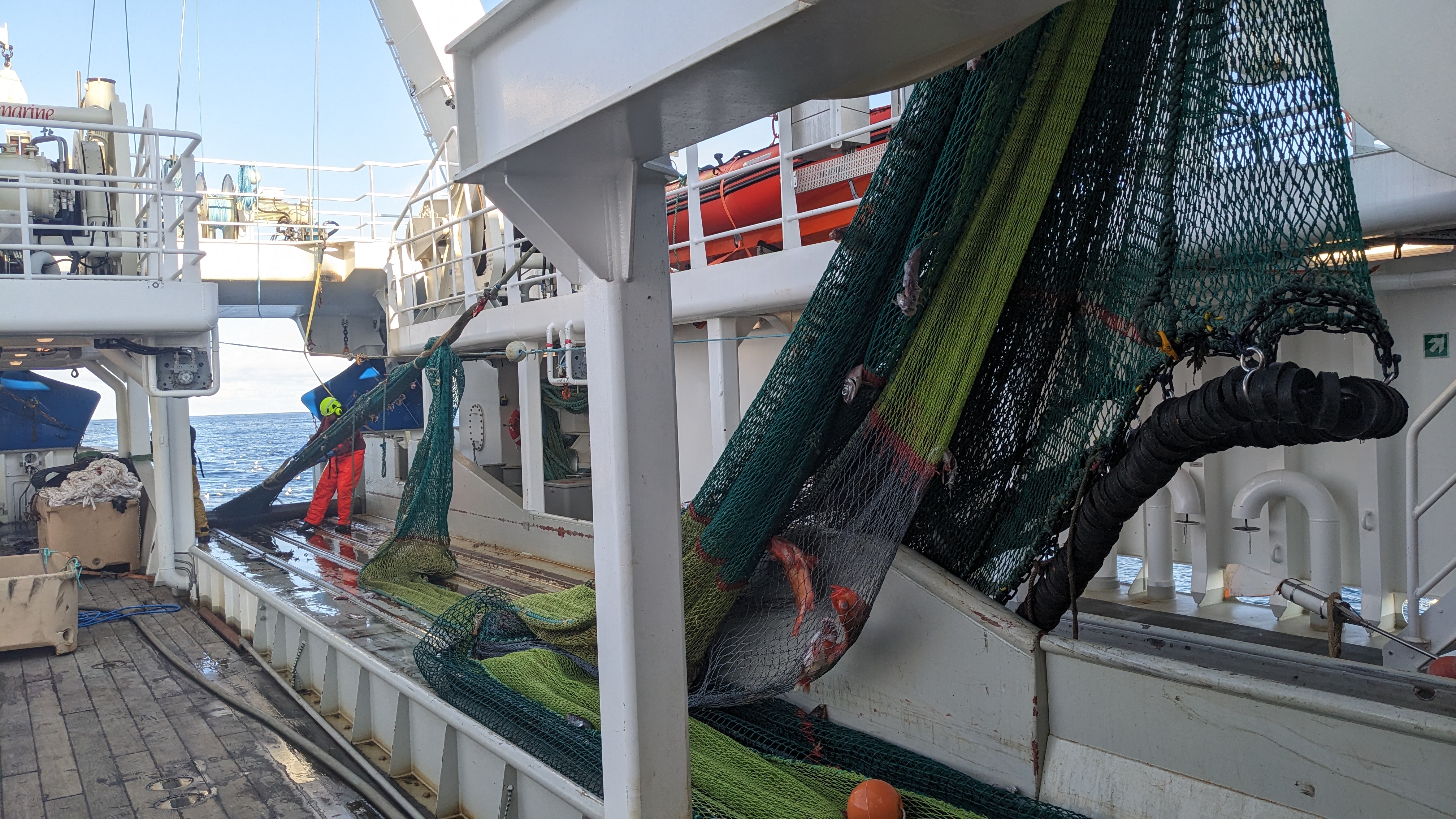
One thing is missing from Icelandic logbook reporting, however. The records show which gear was used in broad terms, but not how that gear was rigged. Trawl doors are a good example. They have developed a great deal over recent decades, and different designs contact the seabed in entirely different ways, from heavy doors that plow down into the sediment to semi-pelagic doors that barely touch it at all. The same applies to the ground gear beneath the trawl, where the type and weight of rockhopper gear have changed considerably in recent years, and newer designs are gaining ground. These differences can be decisive for the disturbance that is left behind.
This information exists with vessel operators and gear makers, but it does not make its way into public databases. As a result, it is not possible to determine whether a given development in gear design has increased or reduced disturbance. Recording trawl door type and ground gear would be a relatively simple addition to existing systems and would substantially improve what is known about Icelandic bottom trawl fisheries. The same holds for every other gear type used in Icelandic waters, where there is almost no systematic record of the equipment used or how it is changing.
The ecosystem approach and the precautionary approach both call for data
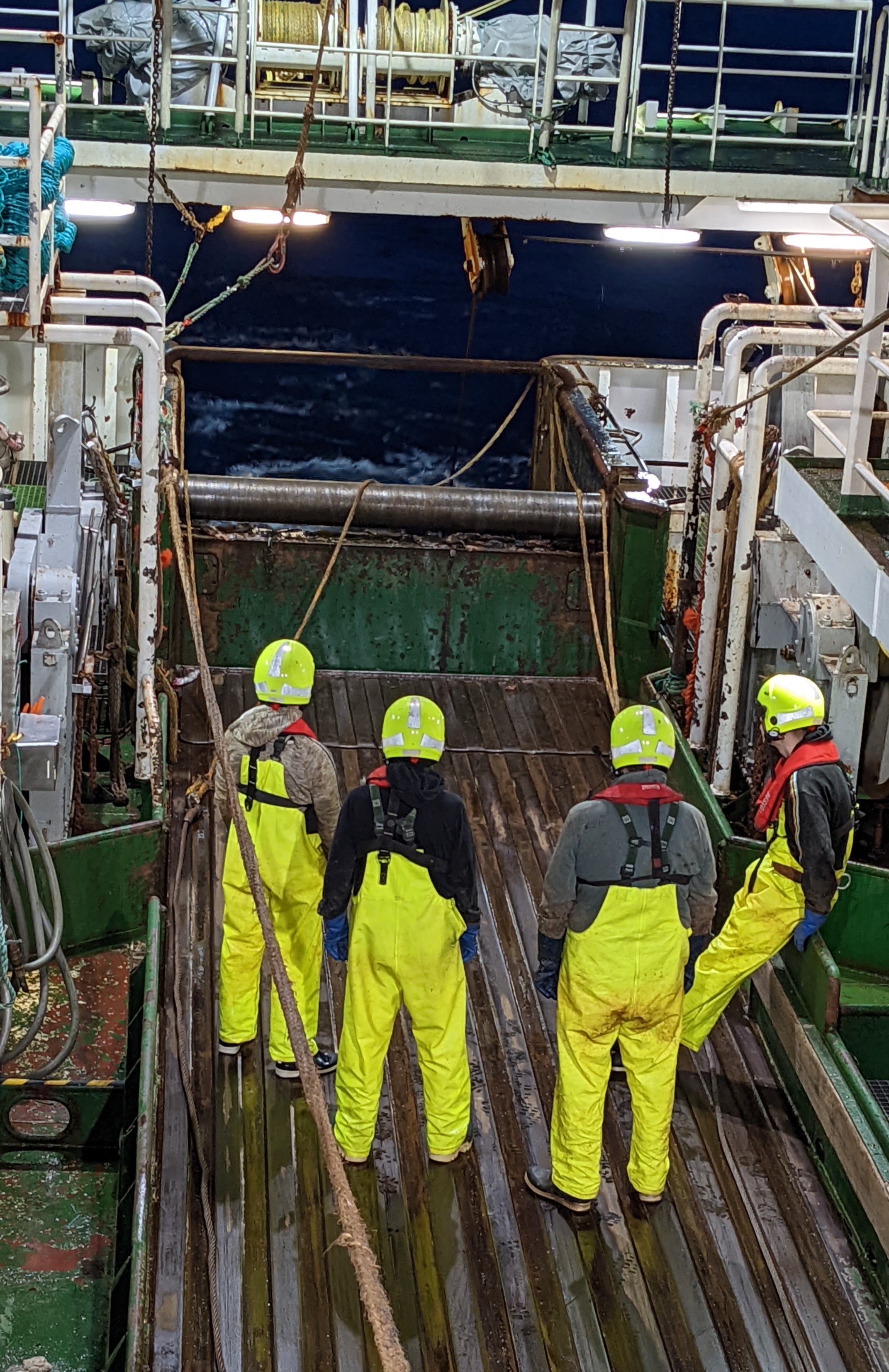 Icelandic fisheries management rests on sustainable use, the ecosystem approach, and the precautionary approach. These principles are not in dispute. The article points out that they are empty without data.
The precautionary approach means proceeding carefully where uncertainty is high. But it offers no guidance on how carefully, unless we know what it is we are putting at risk. The ecosystem approach means looking beyond the harvested species alone. But biodiversity on the seabed cannot be monitored if the maps of it do not exist.
The authors note that this uncertainty works against everyone. Those who want to protect vulnerable areas cannot show where they are, and those who want to demonstrate responsible fishing lack the figures to do so. What is left is a debate driven by conviction rather than by measurement.
A food system rather than a battleground
Seafood is produced at an environmental cost, as is every other source of protein, and the question that matters is how that cost compares with the alternatives, how it can be reduced, and how we can do better.
The authors do not play down the problem. They point out that where management systems are weak, these gears can cause real damage, being both powerful and, at times, unselective. At the same time, they note that more than a third of the fisheries certified by the Marine Stewardship Council use towed bottom gear, which shows that responsible use is achievable where the framework is sound. The difference lies in management, not in the gear alone.
The article is here: Sethi, S.A. et al. 2026. Challenges and Opportunities for Strengthening Bottom Tow Fisheries Sustainability. Fish and Fisheries 27: 987-1005. Open access.