- EU projects
- Research
- Fish tagging
- Lumpfish research
- Oceanography
- Seabed mapping
- Arnarfjörður
- Drekasvæði
- Ísafjarðardjúp
- Jökulbanki
- Jökuldjúp
- Kolbeinseyjarhryggur and adjacent area
- Kolluáll
- Langanesgrunn
- Látragrunn
- Nesdjúp
- Reykjaneshryggur and adjacent area
- Selvogsbanki
- South of Selvogsbanki
- South of Skeiðarárdjúp
- South of Skerjadjúp
- Southeast of Lónsdjúp
- Southwest of Jökuldjúp
- Suðausturmið
- Suðurdjúp
- Vesturdjúp
- East of Reykjaneshryggur
- Vestfjardarmid
- Seal research
- Whale Research
- Advice
- About

New book on managing marine plastic pollution in Norway
03. February 2026
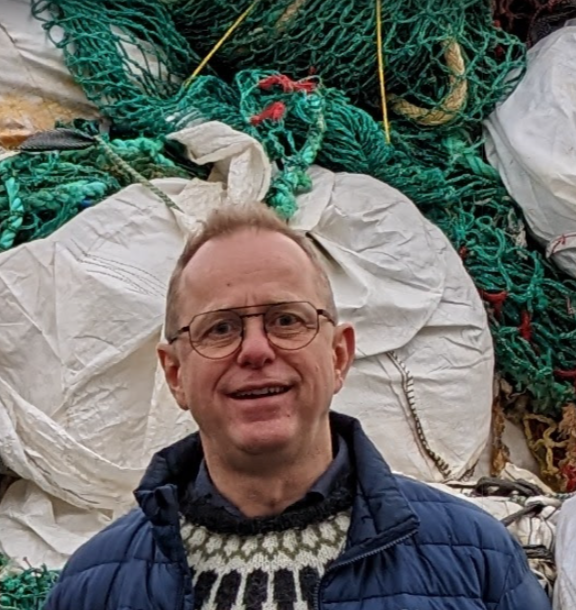 Haraldur A. Einarsson, a fisheries scientist at the Marine and Freshwater Research Institute of Iceland
A new international academic book on how to prevent plastic pollution from fisheries and aquaculture has just been launched. The book, Managing Marine Plastic Pollution in Norway, is published by Routledge and is available online from 2 February 2026.
The book is based on the results of the four-year research project Shift-Plastics, led by Vestlandsforsking in cooperation with several research institutions, including SINTEF and NTNU. In total, 18 researchers have contributed to the book, including Haraldur A. Einarsson, a fisheries scientist at the Marine and Freshwater Research Institute of Iceland. His contribution appears, among other places, in Chapter 9, which includes a subsection named “How to succeed in recycling plastics by end‑of‑life solutions from fisheries: a case from Iceland”. This section draws on Icelandic experience in sorting, recycling, and assessing the circularity potential of fishing gear, which has informed technical discussions in Norway and may be relevant to other fishing nations.
The book maps material flows of plastics in fisheries and aquaculture. It shows that Norwegian aquaculture generates around ten times more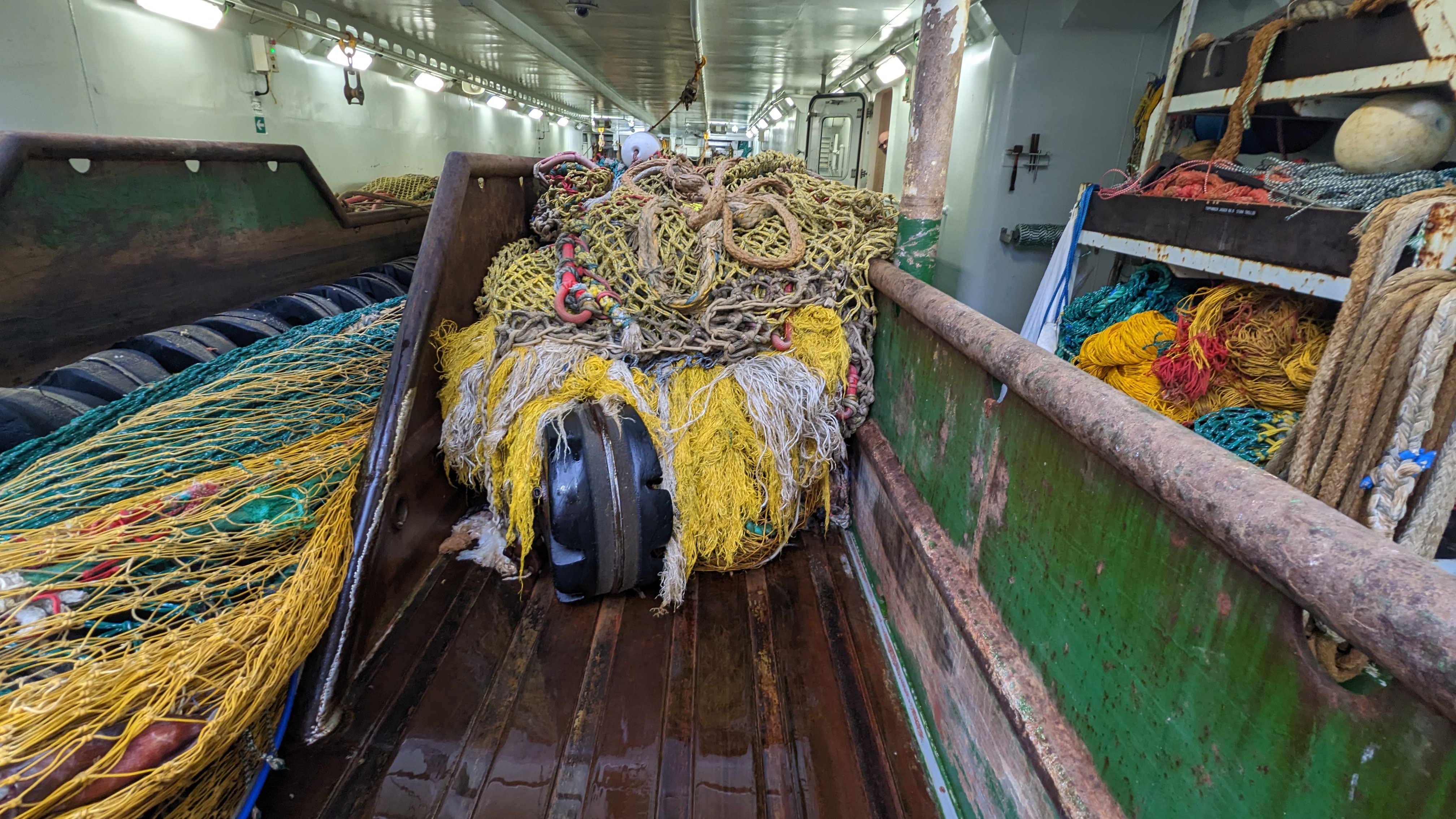 plastic waste than fisheries, and that a large share of this plastic is still sent to incineration or landfill, while only a small proportion is recycled. The authors point to clear opportunities for improvement through better equipment design, improved collection systems, clearer product labelling, and the introduction of extended producer responsibility.
The book presents concrete recommendations for developing sustainable circular solutions for plastics in marine-related industries. It is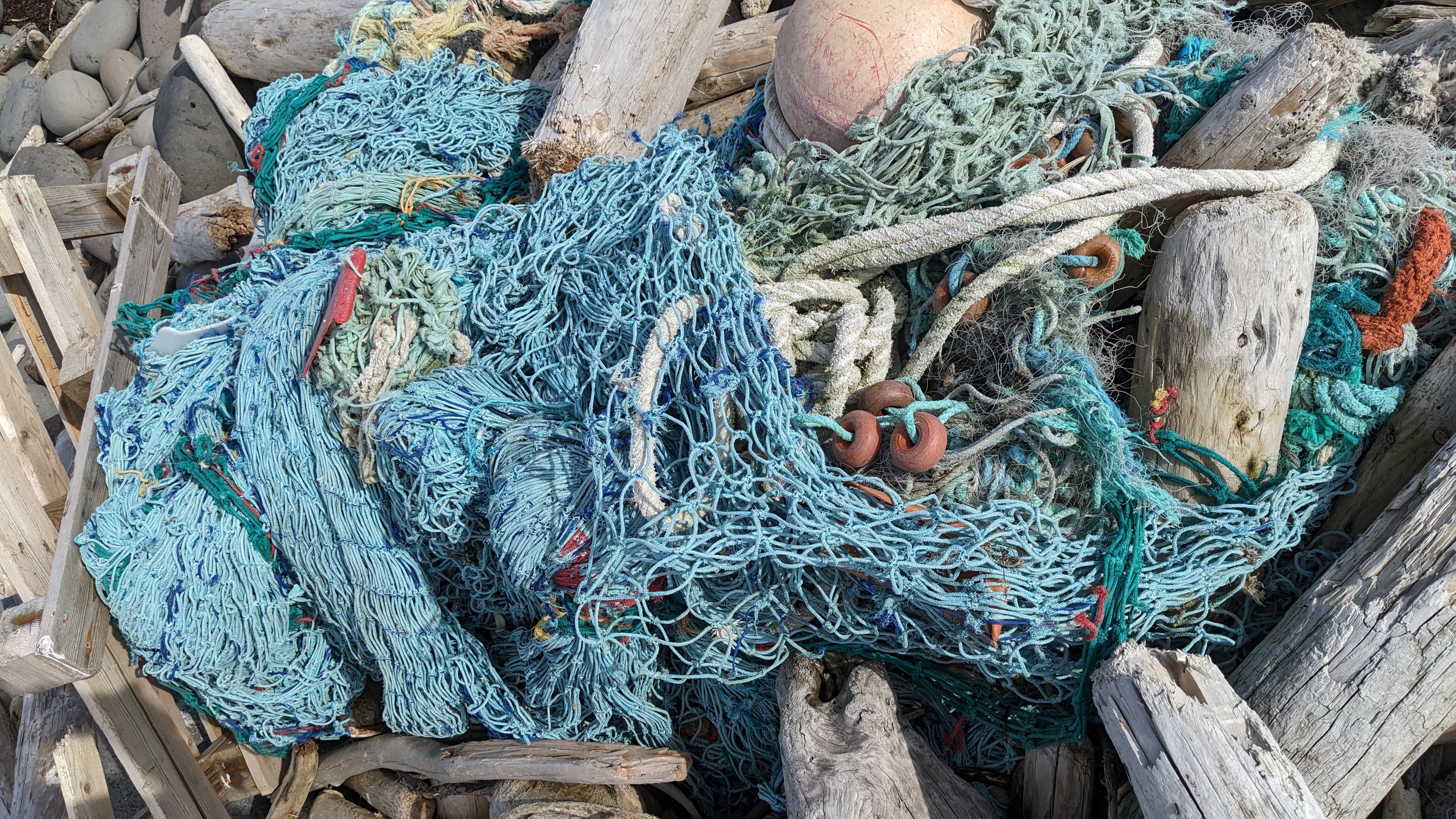 intended to be useful for policymakers, industry, and the research community alike. Although the main focus is on Norway, the findings are considered relevant and transferable to other countries and sectors. There is little doubt that Icelandic authorities could benefit from the knowledge presented in this book, as Iceland lags behind Norway in several areas of marine plastic pollution management and documentation.