- EU projects
- Research
- Fish tagging
- Lumpfish research
- Oceanography
- Seabed mapping
- Arnarfjörður
- Drekasvæði
- Ísafjarðardjúp
- Jökulbanki
- Jökuldjúp
- Kolbeinseyjarhryggur and adjacent area
- Kolluáll
- Langanesgrunn
- Látragrunn
- Nesdjúp
- Reykjaneshryggur and adjacent area
- Selvogsbanki
- South of Selvogsbanki
- South of Skeiðarárdjúp
- South of Skerjadjúp
- Southeast of Lónsdjúp
- Southwest of Jökuldjúp
- Suðausturmið
- Suðurdjúp
- Vesturdjúp
- East of Reykjaneshryggur
- Vestfjardarmid
- Seal research
- Whale Research
- Advice
- About

Fate of biotoxin domoic acid in the Arctic marine food web
11. December 2025
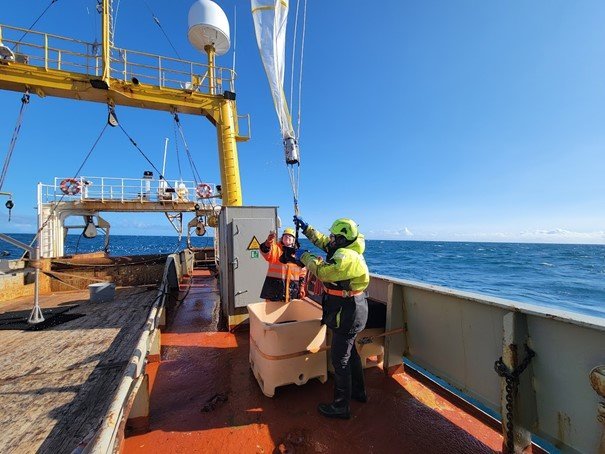
Marine and Freshwater Research Institute (MFRI) is taking part in a large-scale international project on harmful algae, the project Marine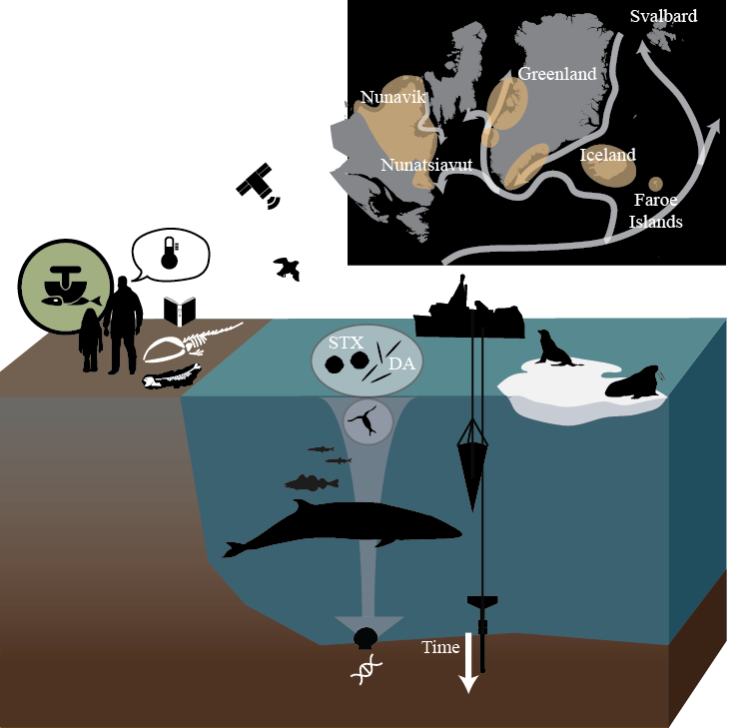 phycotoxins in the Arctic: an emerging climate change risk (working title: PHATE) is a collaborative project on sustainable development and food security in the Arctic. It is funded through a NordForsk competitive call on sustainable development in the Arctic. Around 200 applications were submitted, and PHATE was one of nine projects selected for funding. More information is available, here.
In Iceland, the research is led by Sara Harðardóttir, a phytoplankton specialist at MFRI and Auður Aðalsteinsdóttir, director of the University of Iceland’s Research Centre in Þingeyjarsveit. Part of the project will examine Icelanders culturally embedded perceptions of shellfish, more here.
Distribution of toxigenic Pseudo-nitzschia species
Climate change has a range of consequenses for the Arctic marine environment, increasing temperatures, melting glaciers, sea ice distribution and ocean acidification. These changes may have cascating effects on ecosystems such as species range shifts, timing of key events such as the phytoplankton spring bloom and predator–prey relationships.
Diatoms of the genus Pseudo-nitzschia produce the neurotoxin domoic acid. Poisoning in humans can cause nausea, memory loss, brain fog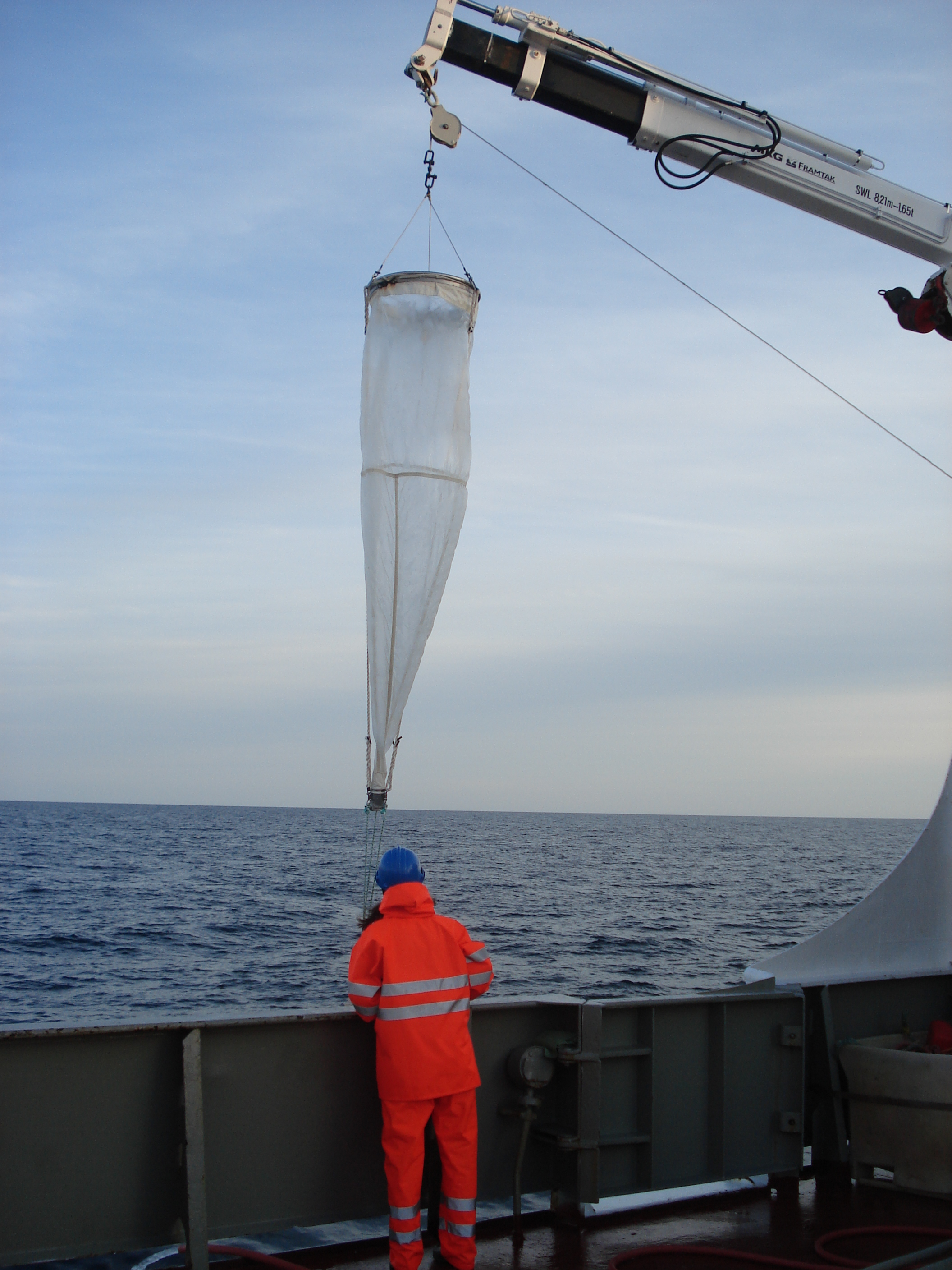 and confusion, the effects can be cronical, and fatal in worst cases. Domoic acid is known to affect the central nervous system of various marine organisms, but little is known about the fate and effects of this toxin in the Arctic marine food web.
The project will investigate the distribution of Pseudo-nitzschia species in the Arctic and interactions with zooplankton and capelin. A unique opportunity has arisen because Tómas and his colleagues at the Marine Research Station in Grindavík have succeeded in rearing capelin from hatch to adulthood, more here.
We will investigate whether algal toxins accumulate in capelin and what effects they have, for example on juvenile capelin and thus on the recruitment of the capelin stock.
The new research vessel HF Þórunn Þórðardóttir is equipped with a specially designed temperature-controlled room. There we will conduct experiments to examine whether zooplankton influence toxin production in Pseudo-nitzschia, and whether the toxin in turn affects the physiology of the zooplankton. Sampling will also be collected during the MFRI capelin surveys.
Participants at the Marine and Freshwater Research Institute are Teresa Silva, a zooplankton specialist and project manager of the capelin surveys, Tómas Árnason Fisheries Scientist, and Sara Harðardóttir a phytoplankton specialist. A PhD student will be hired for three years in collaboration with the University of Copenhagen under the supevision of Prof Nina Lundholm, more here.
In total, about 50 scientists are involved in this international collaboration between research institutes and universities in Faroe Island,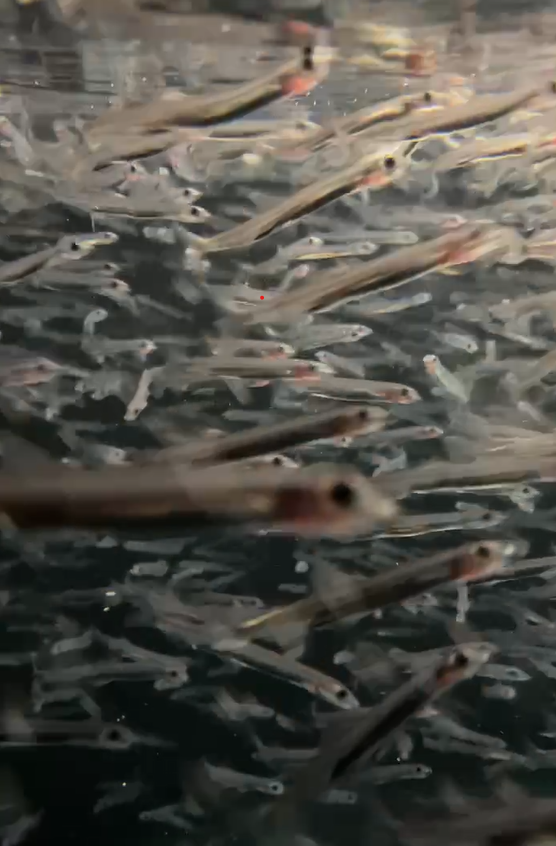 Greenland, Denmark, Norway, Canada, Nunatsiavut and Nunavik. The project is led by Sofia Ribeiro at the Geological Survey of Denmark and Greenland (GEUS) and Audrey Limoges at the University of New Brunswick in Canada.
The Institute will be responsible for sampling, which will also benefit other parts of PHATE. Its main role, however, is to supervise the PhD student in studying the extent to which algal toxins accumulate in key species such as rauðáta, ljósáta and náttáta (zooplankton species), and whether the toxin affects and accumulates in capelin and zooplankton.