- EU projects
- Research
- Fish tagging
- Lumpfish research
- Oceanography
- Seabed mapping
- Arnarfjörður
- Drekasvæði
- Ísafjarðardjúp
- Jökulbanki
- Jökuldjúp
- Kolbeinseyjarhryggur and adjacent area
- Kolluáll
- Langanesgrunn
- Látragrunn
- Nesdjúp
- Reykjaneshryggur and adjacent area
- Selvogsbanki
- South of Selvogsbanki
- South of Skeiðarárdjúp
- South of Skerjadjúp
- Southeast of Lónsdjúp
- Southwest of Jökuldjúp
- Suðausturmið
- Suðurdjúp
- Vesturdjúp
- East of Reykjaneshryggur
- Vestfjardarmid
- Seal research
- Whale Research
- Advice
- About

New article on egg production and survival of cod juveniles
21. October 2025
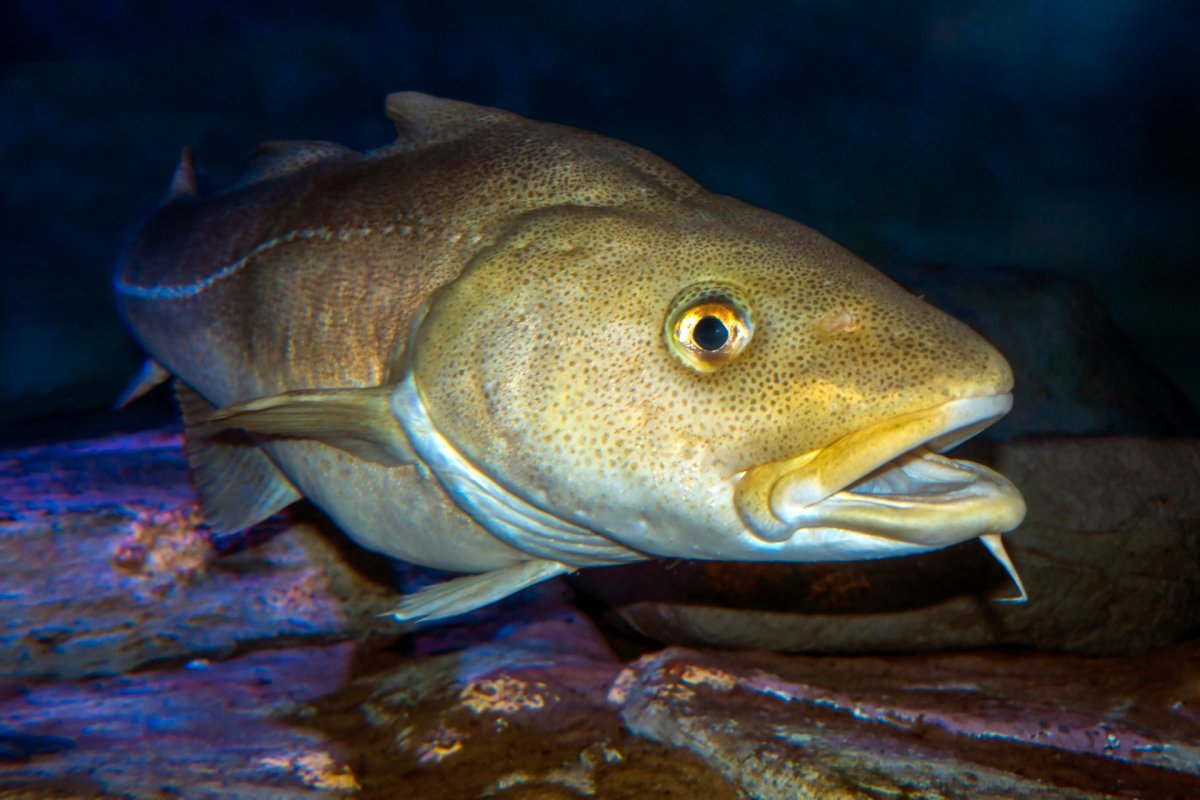
New article on egg production and survival of cod juveniles
A new paper titled ‘Key drivers and spatio-temporal variation in the reproductive potential of Icelandic cod’ was published recently in the ICES Journal of Marine Science, see here.
The paper investigates egg production, assesses the effects of average size and age distribution on egg production, and assesses the survival of cod juveniles in the first year.
How many eggs are produced?
Egg production increased in all areas after 2010, but the increase was greatest in Breiðafjörður and Faxaflói and followed an increase in the population size of spawning cod in these areas. Egg production decreased only east of the Vestmannaeyjar Islands, where the number of spawning cod has decreased significantly. Larger and older spawners produce more eggs than smaller and younger spawners. In areas where the age distribution and average size of spawners increased, these variables had a significant impact on the total egg production. In the Southwest, however, the average size of spawners remained high throughout, and therefore was little room for increase.
Juvenile survival
Survival of cod juveniles in the first year was estimated as the ratio of total egg production from all spawning areas to the 1-year-old abundance index in March a year later. While the average 1-year-old index increased over the period 1998 to 2023, survival has decreased, especially since 2010. The proportion of eggs produced in Faxaflói and Breiðafjörður has increased, and since 2011, 50-65% of total cod egg production has come from these two areas. It is possible that eggs and larvae drifting from Breiðafjörður grow in colder waters than those from areas further south and therefore grow more slowly. It is also likely that density-dependent factors have led to lower survival in the first year, while increased competition for food and shelter may lead to increased mortality.
Recruitment stability compared to other stocks
Although survival in the first year of life has decreased, fluctuations in recruitment of Icelandic cod are smaller than in most other cod stocks in the North Atlantic. One reason for this is that cod spawns in different areas, which increases the likelihood that eggs and larvae from some spawning areas will encounter good conditions and drift to favorable nursery areas, helping the stock adapt to changing environmental conditions.
It is important to follow up on this study by examining whether there are changes in the distribution, food and/or growth of cod stocks to investigate the mechanisms through which cod are adapting to changing environmental conditions.